How we work
Five clear stages: brief, concept, scope and budget, implementation, then final review.
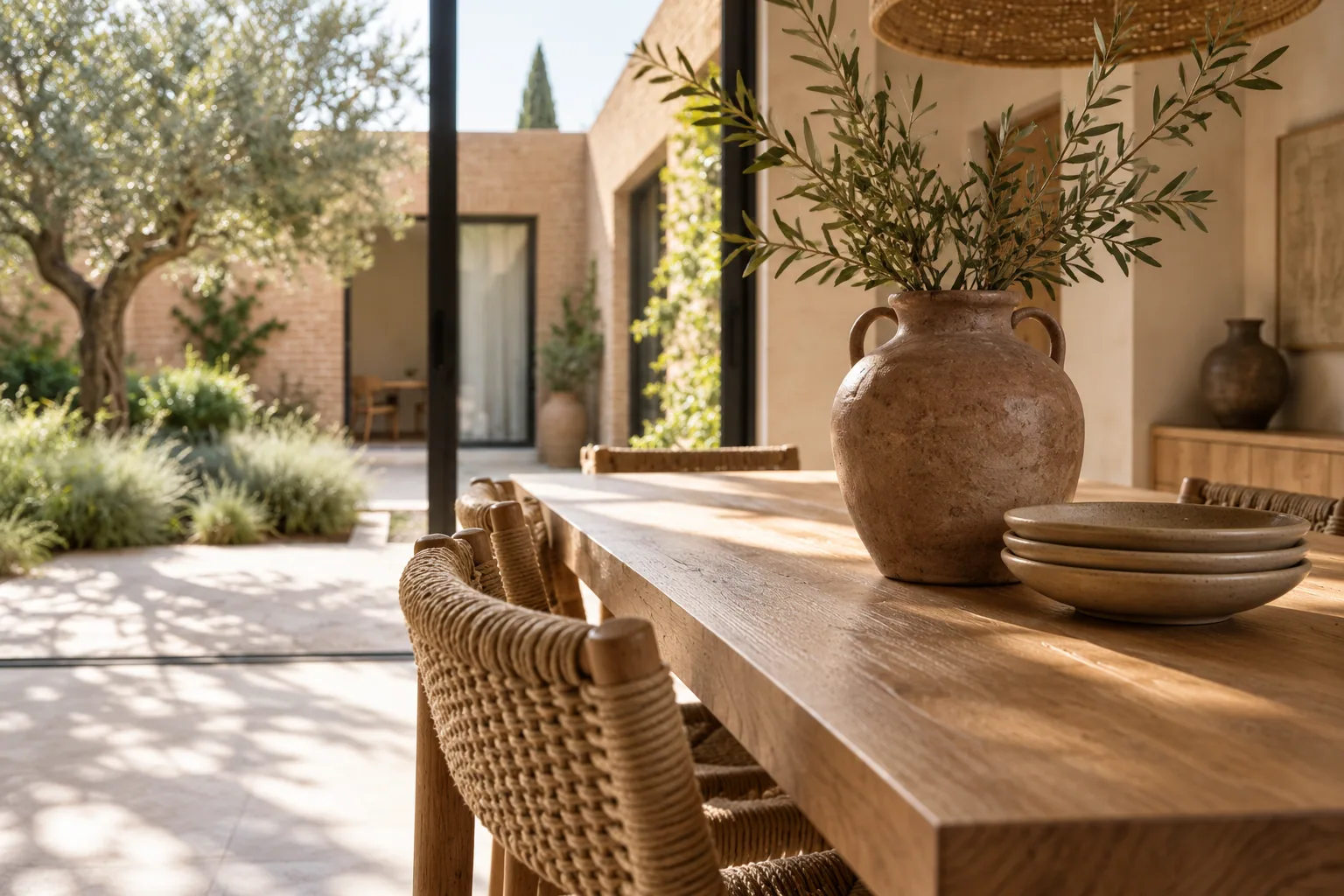 THOUGHTFULLY, STEP BY STEP
Listen & define
Your routines, priorities and existing plans become a shared brief. Agree what success means before choosing a finish.
Approve the brief. Missing drawings or unresolved priorities can change the next steps.
Shape the idea
The brief informs layout options, materials and visual studies. A clear design direction makes later choices easier.
Choose a layout and palette. Additional options or specialist reviews can extend this stage.
Scope & budget
The chosen design becomes a documented scope, quantities and material specification. Inclusions and exclusions stay visible.
Approve scope and budget before work. Unverified site conditions may require a revision.
Bring it together
The approved scope guides the sequence of work and material deliveries. Changes are documented with their cost and timing impact.
Approve changes before implementation. Lead times, access and discoveries on site can affect the programme.
Review & settle in
A joint review checks the work against the agreed scope. Remaining items, care information and relevant documents are gathered together.
Record acceptance and any outstanding items. Corrections and missing deliveries are tracked explicitly.
A real programme follows a site assessment and an agreed scope. This concept makes no fixed timing or warranty promises.
Two ways to start.
Choose a detailed brief when you already know the task. Choose a quick consultation when you want help defining the scope first.